How the Anion Gap Measures
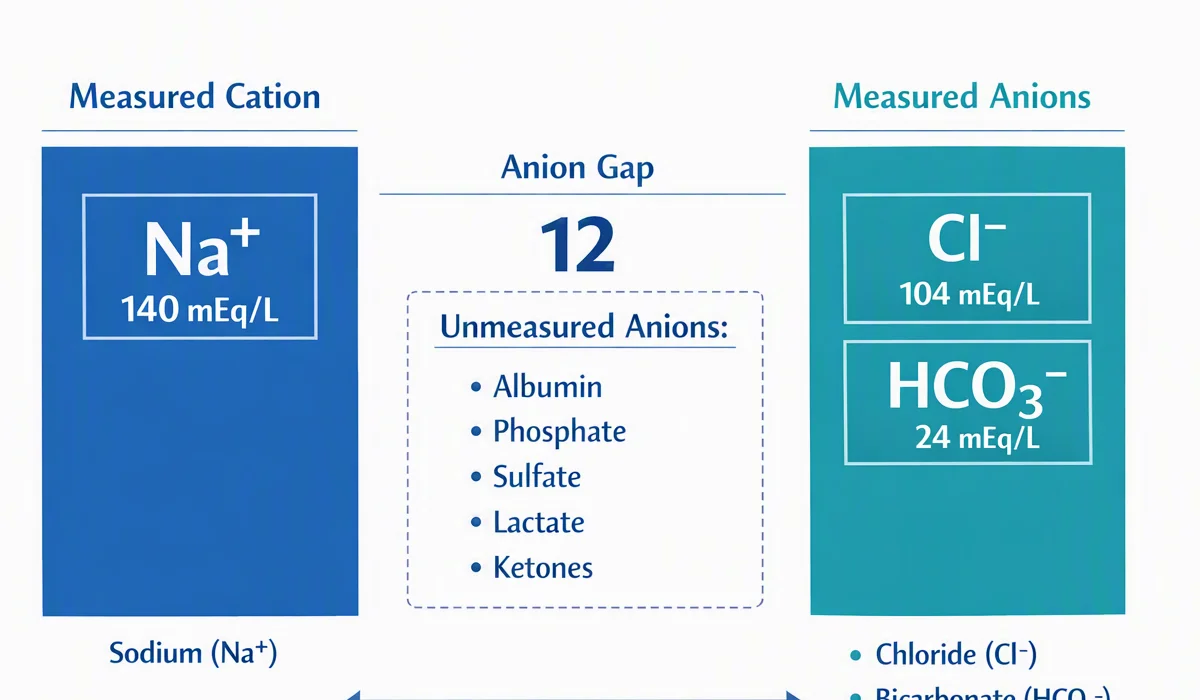
The anion gap is a helpful way to analyze electrolytes and learn how the body is handling acids and bases. It is not a literal measurement of acids themselves. Instead, it approximates the difference between recorded positively charged particles and detected negatively charged particles in the blood, which points to hidden, or unmeasured anions.
In standard blood chemistry, the most notable measured values are sodium, chloride, and bicarbonate. These values come from a blood test that often appears on a serum chemistry panel or broader electrolyte panel. The anion gap helps clinicians review acid-base balance and identify whether a metabolic acidosis or another acid-base disorder may be present.
Think of the bloodstream as a closely balanced buffer system. If extra acid accumulates, bicarbonate may fall as it works to neutralize the acid load. At the same time, the difference between measured ions can shift. That change becomes a helpful marker for clinical assessment, especially when the goal is to separate a simple lab variation from a true metabolic derangement.
The anion gap is also a useful measure of anion concentration that can reveal excess acids that are not listed directly on the report. This is why the calculation remains an essential diagnostic aid in everyday medicine. While it is not the whole story, it often provides the first clue that something is affecting the body's chemistry.
Using an Anion Gap Calculator
An anion gap calculator is a handy diagnostic tool that automates the math and helps minimize errors when examining lab values. To use it, you typically input the values from a serum chemistry panel, most often sodium, chloride, and bicarbonate. Some calculators also allow entry of potassium and albumin for more advanced interpretation.
The calculator is especially helpful because small differences in input can change the final lab result. By using a calculator, clinicians and patients can easily assess whether the result suggests a normal pattern or a possible acid-base disorder. This is one reason the tool is often used for clinical interpretation rather than just for arithmetic.
This is the basic process:
- Collect the electrolyte values from the blood test. Confirm the units and make sure all values come from the same sample. Add sodium, chloride, and bicarbonate into the calculator. See whether the result falls within the expected reference range. If albumin is low, consider an albumin-adjusted result.
Because the anion gap reflects the relationship among key electrolytes, it can be affected by changes in hydration, acid production, kidney function, and protein levels. A calculator does not substitute for medical judgment, but it helps arrange the information so that the overall picture is easier to understand.
In practice, the calculator is a connection between raw blood chemistry and meaningful clinical assessment. It supports faster recognition of a possible metabolic acidemia and helps guide next steps in acid-base interpretation.
Anion Gap Formula and Methods of Calculation
The classic anion gap formula is:
anion gap = sodium - (chloride + bicarbonate)Some formulas include potassium, but many standard clinical calculations do not. When potassium is included, the result is a bit higher, which is why you should always know which method is being used. The most important thing is consistency when reviewing serial lab values or comparing a result to a published reference range.
The formula works because the body maintains electrical neutrality. Measured cations should balance measured anions, but not every charged particle appears on the panel. That difference is the “gap,” and it represents the influence of unmeasured anions such as proteins, phosphates, lactate, and other acids.
One of the most useful refinements is the corrected anion gap. Albumin is a major unmeasured anion, so when albumin is low, the measured anion gap can appear falsely normal or only mildly elevated. In that case, a correction formula helps estimate what the gap would be if albumin were normal. This matters because a low albumin level can hide clinically significant acid retention.
The corrected value is especially useful when evaluating acid-base patterns in sick patients, where hypoalbuminemia is common. Without correction, a true high anion gap process could be overlooked. Potassium may also be considered in some calculations, but albumin correction is generally the more important adjustment for day-to-day interpretation.
In short, the raw formula provides a foundation, while the corrected result gives a more complete view of the patient’s chemistry. That is why the best anion gap calculator functions as more than a simple arithmetic tool; it supports a more accurate acid-base interpretation.
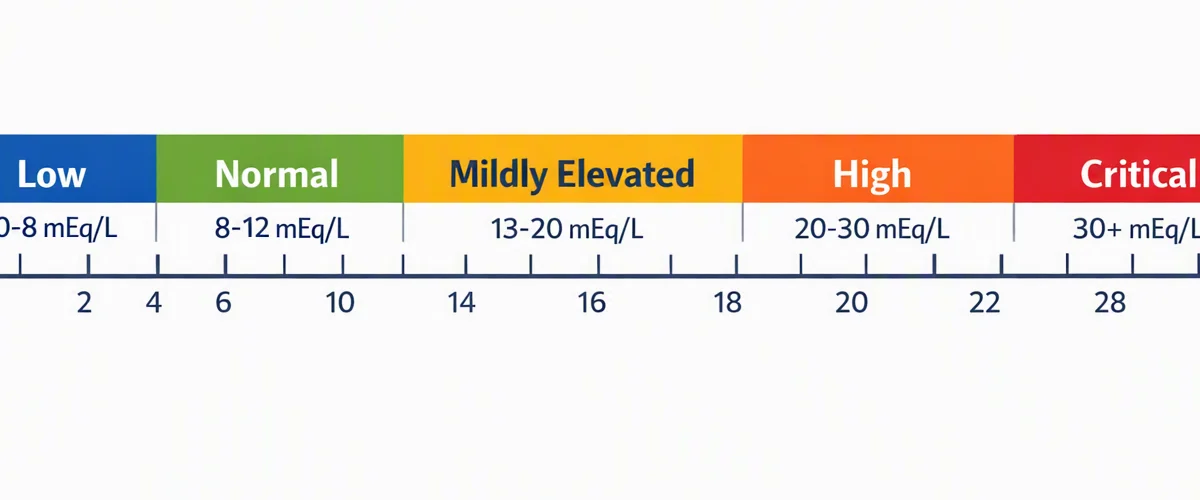
Normal versus Increased Anion Gap
The expected reference interval for the anion gap depends on the laboratory method and the specific reference range used by that lab. Different analyzers and measurement techniques can produce slightly different values, so there is not one universal cutoff. Still, a result within the lab’s stated range is generally considered a anion gap in the normal range, while a higher value suggests a increased anion gap.
A normal anion gap does not automatically mean everything is fine, but it often suggests that bicarbonate loss is being balanced by a rise in chloride rather than by accumulation of unmeasured acids. This pattern is common in certain forms of normal-gap metabolic acidosis. In contrast, a high anion gap points toward excess acids in the body and often signals metabolic acidosis.
When the gap is elevated, the result should be interpreted alongside pH, carbon dioxide, bicarbonate, and the overall clinical picture. A single value does not define the diagnosis. Instead, it acts as a signal that further careful interpretation is needed.
It is also important to remember that the same number may mean different things depending on the albumin level. For example, a result that seems only mildly elevated could represent a more substantial acid burden if albumin is low. That is why the corrected result, the lab values, and the broader setting should all be reviewed together.
In everyday practice, the distinction between normal and elevated becomes a guide for what to investigate next. A high anion gap usually prompts a search for hidden acid sources, whereas a normal gap may lead clinicians to consider bicarbonate loss, dilutional states, or other causes of metabolic disturbance.
Frequent Causes of Elevated Anion Gap
Several conditions can elevate the anion gap by adding to unmeasured anions in the blood. The most frequent causes include lactic acidosis, ketoacidosis, renal failure, and exposure to toxic alcohols. Each one adds an acid burden that alters electrolyte balance and reduces bicarbonate as the body tries to neutralize the excess acid load.
Lactic acidosis happens when lactate builds up faster than the body can clear it. This can happen with poor oxygen delivery, severe infection, shock, or other forms of tissue stress. Because lactate is an unmeasured anion, the gap often increases as lactate accumulates.
Ketoacidosis develops when fat breakdown produces ketones faster than they can be used. This is typically seen in diabetes, but it can also occur with prolonged fasting or alcohol-related illness. Ketones contribute to the anion concentration and can create significant metabolic acidemia.
Renal failure can increase the anion gap because diseased kidneys do not clear acids effectively. As waste products build up, the patient may develop a more severe metabolic acidosis. Kidney dysfunction is one of the key reasons a rising gap deserves close attention.
Toxic alcohols such as methanol and ethylene glycol also cause a high-gap pattern. These substances are dangerous because they are metabolized into acidic compounds that dramatically alter blood chemistry. In such cases, the anion gap may be a critical early clue that helps guide urgent evaluation.
These disorders are not interchangeable, and the correct diagnosis depends on the clinical context. However, they all exhibit a common feature: they increase the amount of unmeasured acid in the blood and cause a measurable shift in the gap. That is why the calculator is often used as a first step in evaluating metabolic acidosis.
Decreased Anion Gap: Causes and Clinical Meaning
A reduced result is less common, but it can be medically important. One of the most frequent explanations is hypoalbuminemia, because albumin is a major unmeasured anion. When albumin falls, the measured gap also drops, even if the true acid-base picture has not changed much.
Another significant cause is multiple myeloma, a disorder that may raise positively charged proteins in the blood. Related forms of paraproteinemia can also decrease the gap by shifting the balance of measured ions. In these cases, the low gap may be a clue to an underlying protein abnormality rather than a primary acid problem.
Lab error should always be considered as well. Mistakes in sample handling, analyzer calibration, or data entry can create misleading results. If the number does not fit the clinical picture, repeating the test is often the most practical next step.
Although a low anion gap is not as dramatic as a high one, it should not be ignored. It can suggest a protein disorder, a measurement problem, or a combination of factors. In some cases, it may simply point to the need for a corrected anion gap so the result can be interpreted in the context of albumin.
From a real-world standpoint, the low-gap scenario reminds clinicians that the calculator is only as good as the information entered. A careful review of the full chemistry panel, including protein levels and repeat testing when needed, improves clinical interpretation.
Why Anion Gap Plays a Role In Acid-Base Interpretation
The gap is one part of broader acid-base assessment. It helps identify whether a acid-base acidosis is present and whether that acidosis is likely due to a non-gap process or a high anion gap process. This distinction informs the next steps in diagnosis.
For example, if bicarbonate is low and the gap is elevated, the pattern suggests build-up of unmeasured acids. If bicarbonate is low but the gap remains normal, the issue may be bicarbonate loss with compensatory chloride retention. That is a different type of acid-base disorder and should be interpreted differently.
The gap is also useful together with respiratory findings. In some cases, a patient may have a mixed disorder involving respiratory alkalosis and metabolic changes simultaneously. A single value can miss this complexity, but reviewing the gap together with pH, bicarbonate, and carbon dioxide can reveal a clearer pattern.
The delta gap is another useful concept. It compares the rise in anion gap to the fall in bicarbonate and helps detect mixed acid-base disorders. If the delta gap does not match expectations, there may be multiple process happening at once. This is particularly useful when interpreting a marked acid-base acidosis.
In this way, the calculator functions as a decision aid rather than a standalone answer. It contributes to a systematic view of acid-base homeostasis, supports recognition of hidden metabolic problems, and improves the overall accuracy of the diagnostic assessment.
When to Seek Medical Evaluation
An abnormal anion gap on its own does not confirm a disease, but it can signal a problem that needs medical attention. If the result is accompanied by concerning symptoms, timely evaluation is important. This is especially true if the person has evidence of severe illness, dehydration, or mental status changes.
Dehydration can exacerbate electrolyte disturbances and result in a broader metabolic problem. Confusion, severe weakness, rapid breathing, vomiting, or worsening drowsiness may point to a serious acid-base imbalance or another urgent condition. In these situations, the anion gap should be viewed as part of the whole picture, not in isolation.
Anyone with suspected metabolic acidosis, possible toxic ingestion, severe infection, or uncontrolled diabetes should seek medical care quickly. A markedly elevated gap may point to a dangerous acid load that needs immediate treatment. In such cases, emergency evaluation is appropriate.
If the result seems unexpected, repeat testing and review of the full serum chemistry panel may be necessary. The combination of lab values, symptoms, and clinical context is what determines how serious the finding is. The calculator is a useful initial tool, but it does not replace professional judgment.
Frequently Asked Questions
What is an anion gap calculator used for?
An anion gap calculator is used to efficiently estimate the difference between measured cations and anions from a blood test. It helps assess acid-base balance, identify possible metabolic acidosis, and support clinical interpretation of lab values. It is especially useful when reviewing a serum chemistry panel or electrolyte results.
What is a normal anion gap?
A normal anion gap depends on the lab’s reference range and the method used. Different laboratories may report slightly different ranges, so the best interpretation is the one provided with the patient’s own lab values. If the result falls within that range, it is usually considered normal, though the overall context still matters.
How do you calculate the anion gap from lab values?
The standard anion gap formula is sodium minus chloride plus bicarbonate. In https://anion-gap-analyzer927.wpsuo.com/what-is-a-high-anion-gap-and-why-should-it-matter other words, sodium - ( chloride + bicarbonate). Some formulas also include potassium. An anion gap calculator carries out this calculation automatically and may also assist with albumin-adjusted interpretation when needed.
Why is correcting for albumin important for the anion gap?
Albumin correction is important because albumin is a key unmeasured anion. When albumin is low, the measured gap may appear misleadingly normal or not as high as expected. A corrected anion gap helps reveal hidden acid burden and enhances interpretation in cases of hypoalbuminemia.
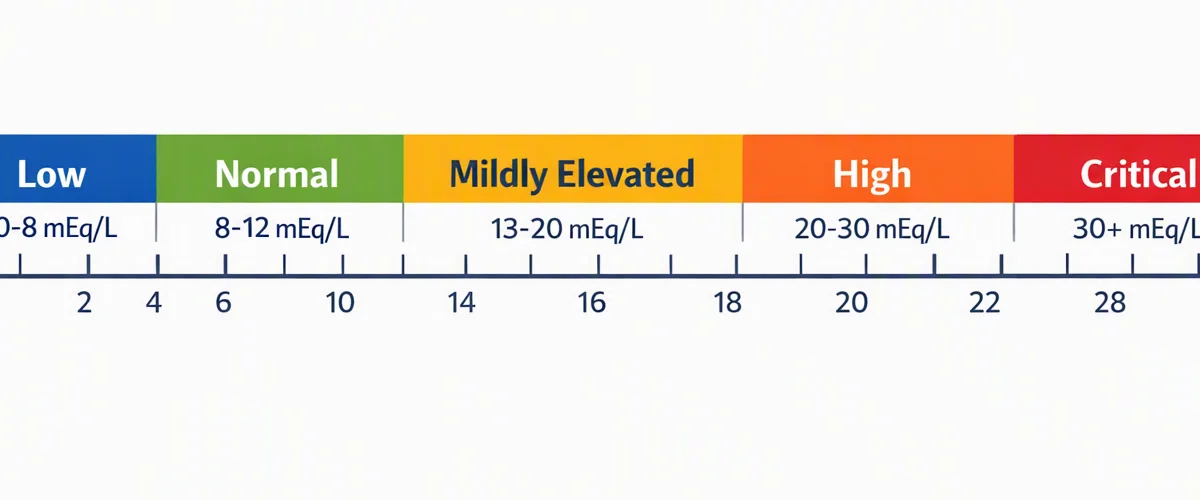
What is the meaning of a high anion gap?
A high anion gap usually means there are additional acids in the blood, often from lactic acidosis, ketoacidosis, renal failure, or toxic alcohols. It commonly indicates a form of metabolic acidosis and should be interpreted with the full clinical picture, including symptoms, other lab results, and possible mixed disorders such as those evaluated with the delta gap.